Mastering Sirohi Goat Farming: A Comprehensive Breed Profile for High-Yield Milk and Meat Production

The Sirohi goat, which hails from the arid parts of Rajasthan, India, represents perseverance and prosperity for farmers worldwide. Renowned for its dual purpose, this breed is an essential part of sustainable livestock husbandry due to its high-quality meat and milk production.

This alternative is perfect for farmers of all skill levels due to its low maintenance needs and adaptability to challenging situations. This comprehensive guide explores all aspects of Sirohi goat husbandry, covering topics such as breed characteristics, housing, nutrition, health, and marketing strategies.

Providing practical, actionable advice, this guide equips farmers to boost productivity and income. Understanding the breed’s unique physical traits and implementing climate-smart procedures are just two of the many components meant to help farmers thrive in this rewarding enterprise.

Whether your aim is to start a small farm or raise professionally, this guide will serve as a road map to success by thoroughly and clearly addressing every aspect of Sirohi goat farming. What are we waiting for? Let’s start Sirohi goat farming for meat and milk production.

Raising Sirohi Goats: A Step-by-Step Guide to Farming Excellence

Understanding the Sirohi Goat Breed Profile and Regional Popularity

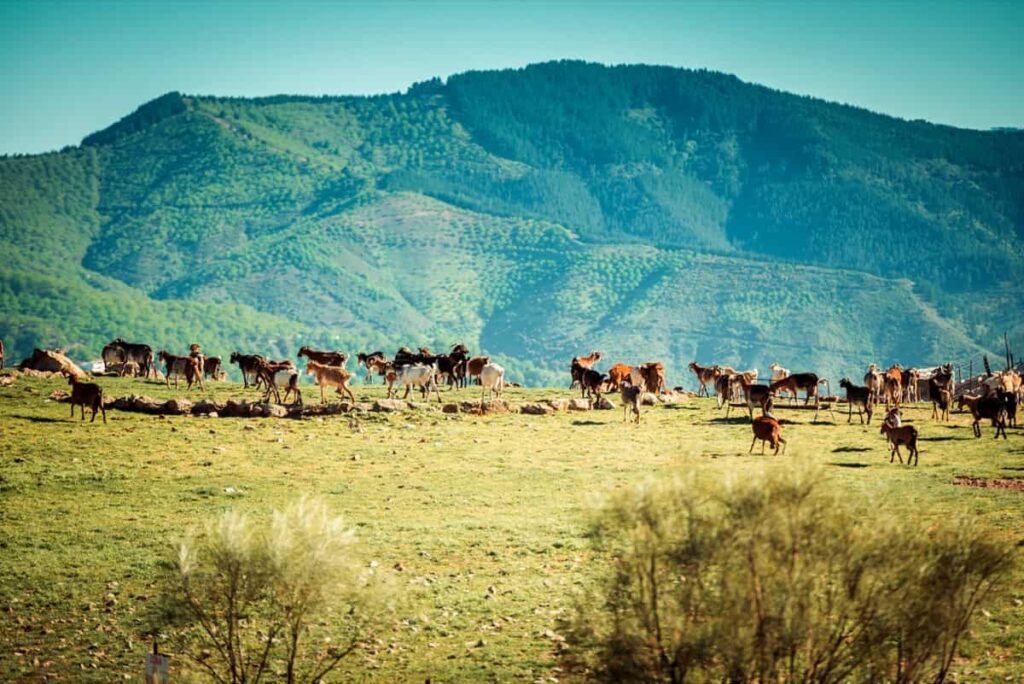
Due to its distinctive traits and extensive local recognition, the Sirohi goat breed is popular among farmers. With compact bodies and medium-sized frames, the Sirohi goat breed is ideal for producing meat and milk.

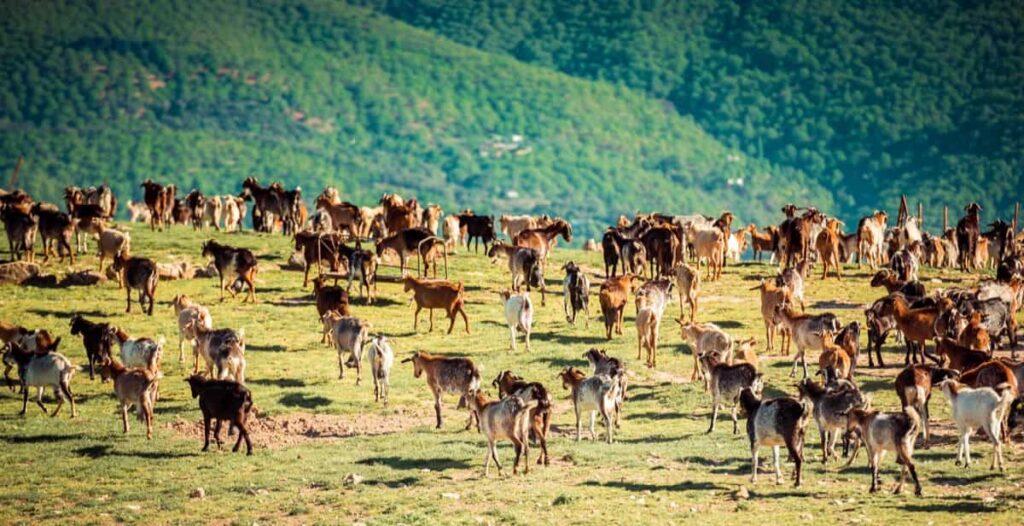
Bucks of this breed often average 50 to 60 kg, while they typically weigh 25 to 30 kg. Sirohi goats are visually striking due to their brown coats with varying shades of brown, drooping ears, and, on rare occasions, tiny horns.

The Sirohi goat is a staple of local economies in Rajasthan’s Sirohi, Jalore, and Ajmer districts; taking advantage of its versatility requires an understanding of its capacity to survive in dry conditions. The reproductive efficiency of Sirohi goats is enhanced; therefore, you may expect 0.5-1.2 liters of milk daily and frequent twin kidding.

sirohi goat farming

Sirohi goats are popular in Gujarat and Uttar Pradesh because of their resistance to common diseases; thus, it’s important to choose healthy stock to ensure that your goats will be disease-free. The sustainability of Sirohi goat farms is supported by farmers in these locations who focus on the breed’s advantages, such as low care costs and high profitability. Farmers in northwest India, especially in Rajasthan, select the Sirohi goat breed for profitable farming due to its popularity.

CharacteristicDetails
Weight (Bucks)50-60 kg
Weight (Does)25-30 kg
Coat ColorBrown with varying shades
Milk Production0.5-1.2 liters daily
Reproductive TraitFrequent twin kidding
Popular RegionsRajasthan, Gujarat, Uttar Pradesh

Selecting Purebred Sirohi Goats for Optimal Farming Success

To have a prosperous farm, you must choose high-quality Sirohi goats. The breed’s selection criteria call for small-framed, brown-coated, drooping-ear goats, which are typical in the breeding hotspots of Rajasthan, such as the Sirohi district.

On average, bucks weigh 25 to 30 kg and thrive in arid climates. Consult local Jalore or Ajmer breeders to verify the lineage of your purebred Sirohi goats.

In Gujarat, you may often see twin births every two years from high-fertility goats, which are a sign of the genetic purity of Sirohi goats. For the best Sirohi goat pedigree verification, buy from reliable farms in Uttar Pradesh, where purebreds are highly valued for their disease resistance.

Keep the Sirohi goat herd healthy and disease-free to ensure future generations have a high-quality breed. By selecting robust livestock from these regions, farmers may build resilient herds. Using this method, which is based on traditional Sirohi goat breeding practices, small-scale entrepreneurs in Rajasthan and abroad can take advantage of the abundance of purebred Sirohi goats in northwest India to launch profitable, long-term ventures.

Designing Climate-Adapted Housing for Sirohi Goats

Especially in dry regions, building suitable shelters is crucial to the well-being of Sirohi goats. Build ventilated sheds that let in natural light and adhere to the Sirohi goat house design rules.

In this region of Rajasthan, metal or bamboo roofs are prevalent and serve to mitigate the heat. The Sirohi goat breed specifies a 20-30 square foot pasture and a covered area of 10-15 square feet per goat.

Since this is a common practice in the Kutch region of Gujarat for efficient administration, the Sirohi goat farm should incorporate separate feeding and kidding areas into its plan. We utilize dry straw bedding, similar to what Ajmer farms use, for the comfort and health of the Sirohi goats.

In Uttar Pradesh, strong fencing is a must for protecting Sirohi goats from predators. Elevated platforms, typical in Rajasthan, help keep Sirohi goats’ shelters clean throughout the rainy season. Consistent with Sirohi goat house cleanliness standards, frequent disinfection reduces the risk of disease and is typical in Gujarat. By utilizing these traditional practices, farmers in northwest India’s Sirohi goat climate-adapted shelters enhance the welfare of their goats and boost their productivity.

Housing FeatureSpecification
Pasture Area20-30 sq ft per goat
Covered Area10-15 sq ft per goat
Roofing MaterialMetal or bamboo
BeddingDry straw
FencingStrong, predator-proof

Implementing Balanced Nutrition for Sirohi Goat Growth and Milk Production

When it comes to milk production and weight increase, nutrition is the main driver of productivity in Sirohi goats. To fulfill the dietary requirements of Sirohi goats, give them three to five kilograms of green fodder daily, including lucerne or berseem, which are abundant in Ajmer, Rajasthan, along with concentrates.

When regulating your Sirohi goats’ feed, try using a combination of barley and channa gram (1% salt, 2% mineral mix) to help them maintain a balanced diet. Babies of Sirohi goats, according to Gujarati tradition, should be given colostrum within an hour of birth and 400 milliliters of milk daily for the first thirty days.

During lactation, producers in Uttar Pradesh should provide Sirohi goats 100 more grams of concentrates if they want their milk supply to be higher. Save money in Jalore by producing Sirohi goat feed from agricultural waste, including wheat sawdust. If you want your Sirohi goats to put on more weight, try feeding them cowpea, a protein-rich legume that is popular in the area. Aim for 60-70 kg for bucks.

Pure water is always available to Sirohi goats, meeting their hydration needs. Sirohi goats can have their growth optimized using these approaches, which means they produce more milk and meat.

Feed TypeQuantity
Green Fodder3-5 kg daily
Concentrates (Lactation)Additional 100 gm
Colostrum (Kids)Within 1 hour of birth
Milk (Kids)400 ml daily for 30 days

Maintaining Sirohi Goat Health Through Preventive Care

Preventative health care is essential for Sirohi herds to thrive. Maintaining the health of Sirohi goats requires regular veterinary inspections to monitor common illnesses like coccidiosis, which is prevalent in Gujarat.

Step 1: Vaccinate Sirohi goats with CDT vaccines at birth.
Step 2: Administer booster doses 5–6 weeks later and annually.
Step 3: Deworm Sirohi goats every three months using anthelmintics, as practiced in Uttar Pradesh, to control parasites.

In Ajmer farms, disinfecting the troughs and cleaning the sheds weekly is essential to prevent Sirohi goat sickness. If you want your Sirohi goats to stay healthy and disease-free on the Jalore rocky terrain, you should trim their feet every two or three months. Sirohi goat sickness can be identified by looking for signs of lethargy and seeking immediate advice from veterinarians in the Sirohi district.

It is traditional practice in Gujarat to strengthen the immune system of Sirohi goats by supplementing their diet with minerals. By lowering death rates and encouraging regional health practices for Sirohi goats, farmers can ensure the longevity of their herds and robust productivity.

Optimizing Breeding Practices for Sirohi Goat Productivity

Increasing the size of Sirohi herds in northwest India is a top priority for breeders. When breeding Sirohi goats, it is traditional in the Jalore region to employ a single healthy male for thirty to thirty-five does, taking care to give the bucks plenty of rest.

Ajmer is known for its Sirohi goats, which typically give birth to twins every two years after a 150-day gestation period. You may ensure that you get a quality Sirohi goat buck by choosing strong males from breeders in Uttar Pradesh when they are 12 to 15 months old.

Fertility monitoring for Sirohi goat does in Gujarat occurs between the ages of 18 and 20 months. Maximize the rates of twin kidding in Sirohi goats by increasing the gestation feed in the Sirohi district.

If you want your Sirohi goats to have healthy, productive kids, the best time to mate is in the spring or fall, according to traditional wisdom in Rajasthan. Sirohi goat babies have a better chance of surviving if their mothers give them colostrum and keep them warm after birth, as is traditional in Gujarat. Using genetic improvement in selective breeding, the Sirohi goat herd is able to develop and become more profitable.

Managing Newborn Sirohi Kids for Healthy Development

Taking excellent care of the young Sirohi ensures a healthy herd. Proper care for a baby Sirohi goat includes removing the membranes and following a Rajasthani tradition of cleaning the nose with cotton after birth.

Within 30 minutes of arriving in Ajmer, Sirohi goats should receive colostrum to strengthen their immunity. Regular weighing of Sirohi goats can aid in measuring their growth, much as it does in Gujarat. Gain 12 kg by three months and 2–2.75 kg at birth.

Babies of Sirohi goats will need 2 square feet of covered area and 4 square feet of open space in the Jalore sheds. To protect the well-being of Sirohi goat calves, it is traditional in Uttar Pradesh to vaccinate them against tetanus and to treat coccidiosis with Biosol for a duration of five to seven days.

When your Sirohi goat babies are three months old, it’s time to start feeding them solid food in line with their weaning schedule. By tending to the young, farmers can increase the longevity and quality of their Sirohi goat herd.

Ensuring Proper Care for Pregnant Sirohi Goats

Specialized care is necessary for pregnant Sirohi to have a healthy kidding. To achieve Sirohi goat pregnancy care, it is common practice to dry off goats 6–8 weeks before delivery and feed them 1 kg of leguminous hay daily.

Similar to what is done in Ajmer, when managing the gestation of Sirohi goats, it is important to monitor their discomfort levels and prepare areas for kidding with straw fifteen days before the due date. Support the prenatal nutrition of Sirohi goats and encourage fetal growth in Gujarat by increasing concentrates by 100 gm.

To ensure the baby Sirohi goats nurse well, it is traditional in Uttar Pradesh to cleanse the udders with iodine after giving birth. If you live in Jalore, you may make sure that newborn Sirohi goats stay healthy by giving them pleasant water. You should carefully monitor the progress of pregnant Sirohi goats, collaborate with vets in Rajasthan, and ensure that no dystocia occurs.

Keep the area where the Sirohi goats are kidding as stress-free as possible for the best chance of success. Prioritizing maternal care helps farmers enhance productivity and offspring survival in Sirohi goat farms.

Streamlining Sirohi Goat Farm Management Practices

Management that works wonders for Sirohi Farms is essential to their success. Sirohi goat farm management requires the Jalore habit of keeping records on the goats’ health and breeding.

When dealing with Sirohi goat data, try using the tagging method, which is common in Ajmer for identifying Sirohi goats. If you want your Sirohi goats to work harder for you, just like in Gujarat, teach your staff how to feed and care for them properly.

To automate Sirohi goat farms in Uttar Pradesh, mechanical waterers must be installed in compliance with the water management protocols for Sirohi goats. In the Sirohi district, it is customary to clean the goat shed once weekly to ensure the utmost cleanliness.

Sirohi Goat Farming

When considering how to scale up a Sirohi goat farm, it’s recommended to start with 10 does and adjust the quantity based on the demand in Rajasthan. If you want your Sirohi goat business to succeed, you need to plan your tasks in a systematic way to make sure they run well.

Maximizing Milk Production in Sirohi Goats

The milk from Sirohi goats is highly sought after, especially in the northwest region of India. Sirohi goats should produce 0.5-1.2 liters per day, reaching a high of 1.5 liters after giving birth, to generate 100-110 liters of milk every lactation in Ajmer.

When it comes to lactation management, the Sirohi district should offer cowpeas to its goats so they may produce more milk. Gujarati tradition ensures the purity of Sirohi goat milk by cleaning the udders with sanitized containers before milking begins.

Milking Sirohi goats by hand twice a day in Uttar Pradesh reduces stress levels. Maximize the nutritional supplements for Sirohi goats by using mineral premixes in Jalore.

You can get 160 to 200 Indian rupees per kilogram of Sirohi goat milk at the specialty markets in Rajasthan. Sirohi goat dairy farming diversifies Sirohi goat farms’ profitability by checking for mastitis and promoting udder health.

Milk Production MetricDetails
Daily Production0.5-1.2 liters (1.5 liters post-kidding)
Lactation Yield100-110 liters
Market Price160-200 INR/kg

Enhancing Meat Production with Sirohi Goats

Sirohi goats bring in a lot of money since their meat is so tender and delicious. The Sirohi district stalls goats weighing 60–70 kg for eight months to produce Sirohi meat.

Using barley-gram mixes is an effective weight gain strategy for Sirohi goats in Ajmer. To provide high-quality meat, Sirohi goats should be slaughtered when they weigh 25 to 30 kg, as per Gujarati laws.

Sirohi goats, which fetch 300–400 INR/kg, are in high demand; therefore, plan your marketing strategy around Uttar Pradesh holidays like Eid. Get in touch with the butchers in Jalore so that you can promote Sirohi goat meat to its full potential.

Monthly weighings can facilitate Sirohi goat weight management and growth tracking. By using byproducts, we can enhance the profitability of Sirohi goat meat production, income from Sirohi goat farms, and commercial meat farming.

Adopting Climate-Smart Practices for Sirohi Goat Farming

Arid climates are not a problem for Sirohi goats, but adopting climate-smart practices will make them even more resilient. Ensure the sustainability of Sirohi goat feed and achieve climate-smart farming in the Sirohi district by using drought-resistant sorghum.

The Sirohi goats of Ajmer can benefit from water conservation measures such as the installation of rainwater systems for their hydration needs. To help minimize heat stress, shaded shelters should be made accessible in Gujarat, as per the Sirohi goat environmental adaptation.

Sirohi goat pasture management and sustainable agriculture can be achieved by rotational grazing in Uttar Pradesh. Sirohi goats can be genetically adapted to withstand extreme heat by selecting for heat-tolerant traits in Jalore.

The use of organic dewormers is an important consideration while developing eco-friendly practices for Sirohi goats in Rajasthan. The sustainability of Sirohi goat farms in Gujarat can be enhanced by compost manure, which is in accordance with the waste management practices of Sirohi goats. Through the implementation of climate adaptation methods, farmers contribute to the profitability of Sirohi goat husbandry.

Leveraging Stall-Fed Systems for Sirohi Goat Farming

Stall feeding maximizes development in limited spaces. To implement Sirohi goat stall-fed farming, goats in the Sirohi district are housed in ventilated stalls and given 300-500 grams of concentrates and 3-5 kg of fodder daily.

Keeping a close check on feed is essential for optimizing Sirohi goat feed in Ajmer while dealing with intensive farming. Maintain a spotless Sirohi goat stall daily in Gujarat by following the breed’s specific sanitation protocols.

To make sure your Sirohi goats in Uttar Pradesh have efficient housing, allocate 10 to 15 square feet to each one. Supplements used in Jalore support the nutritional development of Sirohi goats and their growth in stall-fed systems.

Business planning for the profitability of stall-fed Sirohi goats and growing fodder in Rajasthan both necessitate meticulous consideration of controlling the costs of Sirohi goats. The health and productivity of stall-fed Sirohi goats can be enhanced with regular vaccinations, leading to greater financial success for the breed.

Marketing Sirohi Goats for Maximum Profitability

An effective marketing strategy ensures a profit. Marketing strategies for Sirohi goats include focusing on Sirohi district festivals and processors, where bucks get 300–400 INR/kg.

To stay competitive in the market, set reasonable prices for Sirohi goat meat in Ajmer. Provide wholesalers in Gujarat to support Sirohi goat bulk sales in line with Sirohi goat commercial sales.

In Uttar Pradesh, you can buy nutrient-rich Sirohi goat milk for 160–200 INR per kilogram. When negotiating with buyers, stress the importance of cleanliness in Jalore to maximize the value proposition of Sirohi goats.

Consider holding the Sirohi goat market during the festival of lights in Rajasthan to take advantage of the seasonal demand. The Sirohi goat brand might use some help establishing a reliable supply and increasing Sirohi goat farms’ profitability by checking for mastitis and promoting udder health.

Milk Production MetricsDetails
Daily Production0.5-1.2 liters (1.5 liters post-kidding)
Lactation Yield100-110 liters
Market Price160-200 INR/kg

Enhancing Meat Production with Sirohi Goats

Sirohi goats bring in a lot of money since their meat is so tender and delicious. The Sirohi district stalls goats weighing 60–70 kg for eight months to produce Sirohi meat.

Using barley-gram mixes is an effective weight gain strategy for Sirohi goats in Ajmer. To provide high-quality meat, Sirohi goats should be slaughtered when they weigh 25 to 30 kg, as per Gujarati laws.

Sirohi goats, which fetch 300–400 INR/kg, are in high demand; therefore, plan your marketing strategy around Uttar Pradesh holidays like Eid. Get in touch with the butchers in Jalore so that you can promote Sirohi goat meat to its full potential.

Monthly weighings can facilitate Sirohi goat weight management and growth tracking. By using byproducts, we can enhance the profitability of Sirohi goat meat production, income from Sirohi goat farms, and commercial meat farming.

Adopting Climate-Smart Practices for Sirohi Goat Farming

Arid climates are not a problem for Sirohi goats, but adopting climate-smart practices will make them even more resilient. Ensure the sustainability of Sirohi goat feed and achieve climate-smart farming in the Sirohi district by using drought-resistant sorghum.

The Sirohi goats of Ajmer can benefit from water conservation measures such as the installation of rainwater systems for their hydration needs. To help minimize heat stress, shaded shelters should be made accessible in Gujarat, as per the Sirohi goat environmental adaptation.

Sirohi goat pasture management and sustainable agriculture can be achieved by rotational grazing in Uttar Pradesh. Sirohi goats can be genetically adapted to withstand extreme heat by selecting for heat-tolerant traits in Jalore.

The use of organic dewormers is an important consideration while developing eco-friendly practices for Sirohi goats in Rajasthan. The sustainability of Sirohi goat farms in Gujarat can be enhanced by compost manure, which is in accordance with the waste management practices of Sirohi goats. Through the implementation of climate adaptation methods, farmers contribute to the profitability of Sirohi goat husbandry.

Leveraging Stall-Fed Systems for Sirohi Goat Farming

Stall feeding maximizes development in limited spaces. To implement Sirohi goat stall-fed farming, goats in the Sirohi district are housed in ventilated stalls and given 300-500 grams of concentrates and 3-5 kg of fodder daily.

Keeping a close check on feed is essential for optimizing Sirohi goat feed in Ajmer while dealing with intensive farming. Maintain a spotless Sirohi goat stall daily in Gujarat by following the breed’s specific sanitation protocols.

To make sure your Sirohi goats in Uttar Pradesh have efficient housing, allocate 10 to 15 square feet to each one. Supplements used in Jalore support the nutritional development of Sirohi goats and their growth in stall-fed systems.

Planning for the profitability of stall-fed Sirohi goats and growing fodder in Rajasthan both necessitate meticulous consideration of controlling the costs of Sirohi goats. The health and productivity of stall-fed Sirohi goats can be enhanced with regular vaccinations, leading to greater financial success for the breed.

Marketing Sirohi Goats for Maximum Profitability

An effective marketing strategy ensures a profit. Marketing strategies for Sirohi goats include focusing on Sirohi district festivals and processors, where bucks get 300–400 INR/kg.

To stay competitive in the market, set reasonable prices for Sirohi goat meat in Ajmer. Provide wholesalers in Gujarat to support Sirohi goat bulk sales in line with Sirohi goat commercial sales.

In Uttar Pradesh, you can buy nutrient-rich Sirohi goat milk for 160–200 INR per kilogram. When negotiating with buyers, stress the importance of cleanliness in Jalore to maximize the value proposition of Sirohi goats.

Consider holding the Sirohi goat market during the festival of lights in Rajasthan to take advantage of the seasonal demand. The Sirohi goat brand might use some help establishing a reliable supply in Gujarat that lives up to the quality of its goat farms. By implementing lucrative sales strategies, farmers maximize the success of the Sirohi Goat Company.

Scaling Sirohi Goat Farming for Commercial Success

Scaling requires careful strategic planning. To guarantee the growth of the Sirohi goat herd, begin with 10 does in the district and gradually increase the number to 50-100.

Boost the commercial farming efficiency of Sirohi goats by investing in automated technologies in Ajmer. Supporting the Sirohi goat investment strategy would be allocating cash for feed and care in Gujarat in line with the Sirohi goat cost evaluation.

Sirohi Goat Farming1

The expansion of the Sirohi goat farm and the assurance of labor management might be achieved with the employment of competent staff in Uttar Pradesh. Maximize Sirohi goat revenue streams and encourage Sirohi goat income diversification by diversifying sales in Jalore.

When getting ready to grow the Sirohi goat business to meet demand all around the world, it’s a good idea to look at exports from Rajasthan. Keeping Sirohi goats clean, increasing their marketability, and improving their farm’s bottom line are all goals.

Conclusion

Sirohi goat husbandry is a sustainable and lucrative way for farmers to meet the increasing demand for milk and meat by combining traditional and modern techniques. Important themes covered in this tutorial include selecting purebred goats in Rajasthan and increasing productivity through the use of climate-smart practices.

Proactive health management, climate-adapted housing, and proper feeding for milk and weight gain are the three pillars upon which farmers build herd vitality and profitability. Success is enhanced in regions like Gujarat and Uttar Pradesh through marketing strategies, kid care, and breeding programs; resource limits are addressed through stall-feeding.

Scaling operations with prudence can help farmers succeed in competitive marketplaces. The Sirohi goat’s adaptability, illness resistance, and dual use make it an important part of the rural economy.

1 COMMENT

LEAVE A REPLY

Please enter your comment!
Please enter your name here