Goat Farming in South Africa: A Step-by-Step Comprehensive Guide for Beginners

Goat farming in South Africa is a viable and sustainable enterprise due to the country’s diverse climates, wide grazing lands, and increasing demand for goat products. By supporting both large-scale commercial enterprises and small-scale rural farmers, this thriving industry substantially enhances economic growth and food security.

This comprehensive guide, tailored to the unique farming conditions in South Africa, lays out 20 distinct steps for launching and maintaining a successful goat farming business. While covering vital locations including KwaZulu-Natal, the Western Cape, the Eastern Cape, and Limpopo, it deals with regional concerns, breed appropriateness, and market potential.

This comprehensive guide provides practical, actionable advice for farmers of all experience levels, from selecting hardy varieties like Boer and Kalahari Red to understanding and complying with various legal requirements and using cutting-edge technology. No matter where you’re starting from—a little hamlet in the countryside or a big city like Johannesburg—this guide will provide you with the tools you need to succeed.

Adopting sustainable practices and promoting community cooperation will help you build a strong and prosperous goat farming enterprise. To make your dream a reality and contribute to South Africa’s booming agriculture sector, consider the steps outlined below.

Unlock the Potential of Goat Farming in South Africa: A Beginner’s Roadmap

Selecting the Best Goat Breeds for Your South African Farm

This is particularly relevant for novice goat breeders in South Africa, who may lack expertise in breed selection. Because of the wide variety of climates found across the country—from the dry North Cape to the mild Western Cape—it is essential to breed animals with specific adaptations for each region.

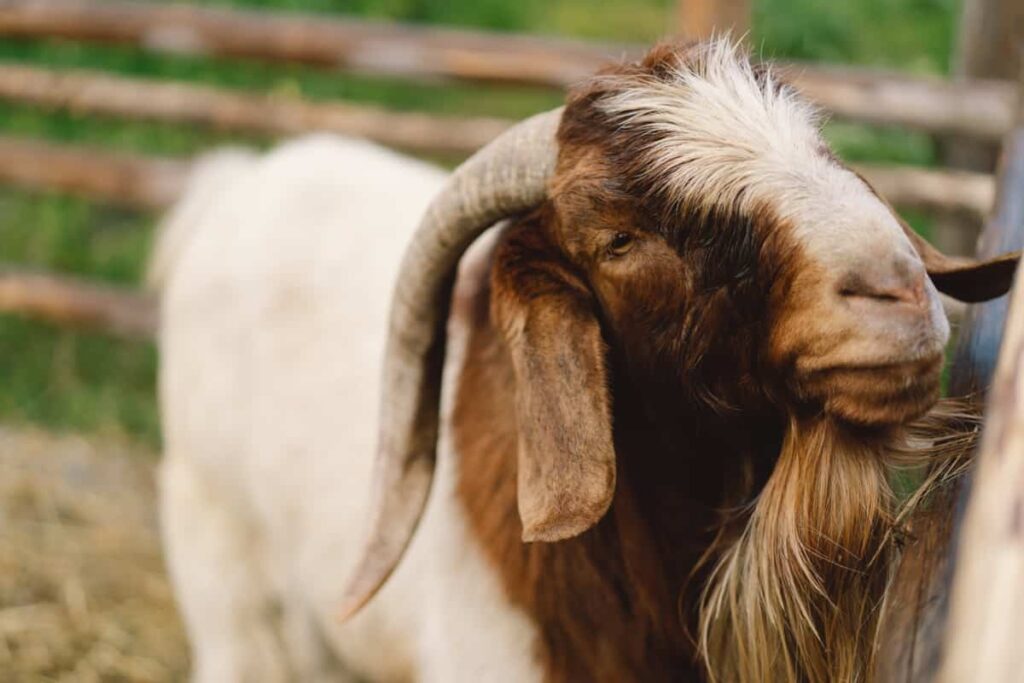
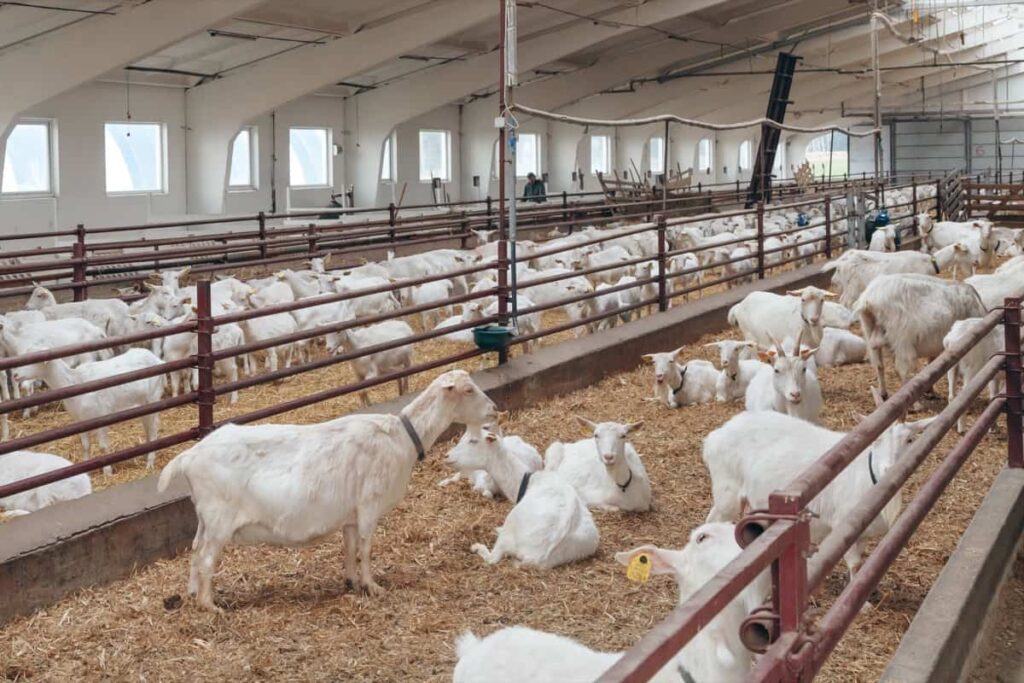
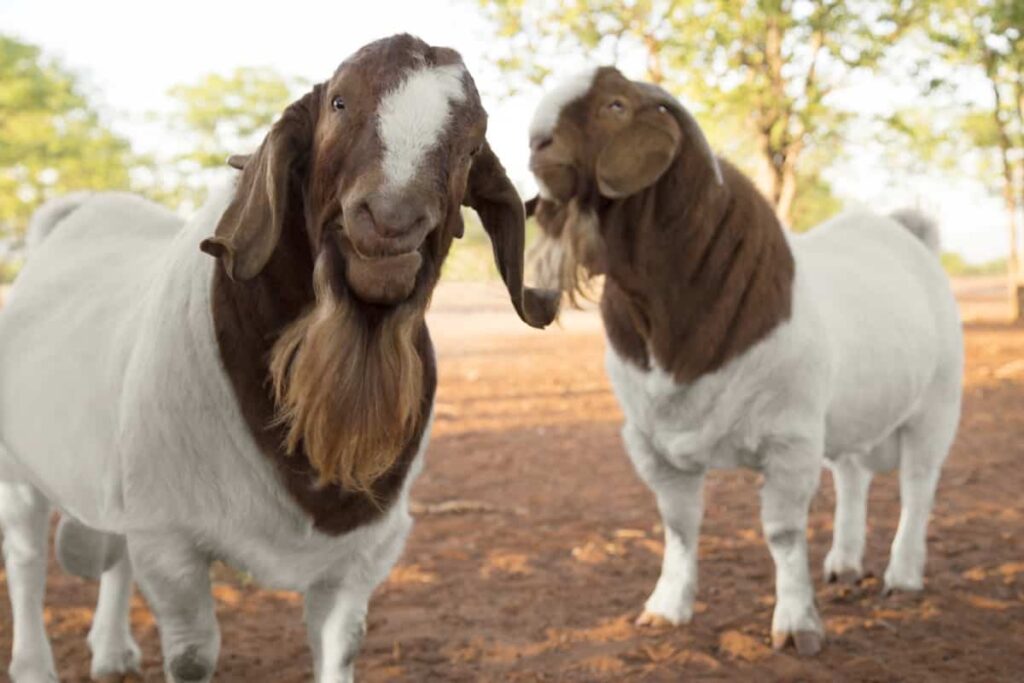
Because of their rapid growth and excellent meat quality, Boer goats are considered one of the best goat breeds in South Africa for meat production. The Western Cape is home to some of South Africa’s finest dairy goat breeds, including the Saanen and the British Alpine. These goats need shelter, but they yield an abundance of milk.

Goat Farming in South Africa.

South Africa widely farms Boer goats due to their adaptability, while Kalahari Reds’ hardiness increases their popularity in Limpopo. Local goat breeds in South Africa, including veld goats, are ideal for small-scale goat farming in KwaZulu-Natal because they can withstand community grazing without suffering damage.

Adaptability is a hallmark of the Eastern Cape goat breed, which includes the multipurpose Savanna. The Nubian and other exotic goat breeds that do well in South Africa require specific care due to their unique traits. Respected breeders and agricultural events in Johannesburg can help you assess breeds to ensure they suit market demands, feed availability, and area climates, allowing you to start a prosperous operation.

BreedsRegionsPurposeKey Traits
BoerNationwideMeatRapid growth, excellent meat quality
SaanenWestern CapeDairyHigh milk yield, needs shelter
Kalahari RedLimpopoMeatHardy, adaptable
Veld GoatsKwaZulu-NatalMeatResilient to communal grazing
SavannaEastern CapeMultipurposeAdaptable
NubianVariousDairy/MultipurposeRequires specific care

Choosing the Ideal Location for Your Goat Farm

Several elements, most notably the farm’s location, must be carefully considered to establish a goat farm in South Africa. Despite the abundance of opportunities presented by the country’s distinctive landscape, careful preparation is essential.

If South Africa wants to secure enough land for goat farming, it should prioritize locations like the Eastern Cape, which has large grasslands that are perfect for grazing. Goat farming in the Limpopo can flourish in a range of terrains, sustaining hardy breeds, in contrast to the cooler temperature in the Western Cape, which is perfect for dairy production.

The robust infrastructure of the Free State allows for the commercial rearing of goats in South Africa. Rural goat farming is possible on communal grounds in KwaZulu-Natal, South Africa, provided that you get land lease agreements specifically for the purpose.

Make sure the area you choose for your new goat farm in South Africa has reliable water availability and soil that drains effectively before you dig a well. South Africa mandates a reserve of one to two hectares for every fifty goats. There isn’t much space for grazing in developed Gauteng regions, so you should avoid them. Verify with the relevant agricultural offices in your area on water rights and zoning regulations for goat farming in South Africa. These guidelines will help you choose a site that is suitable for scalability, proximity to markets, and long-term sustainability.

RegionsSuitabilityKey FeaturesConsiderations
Eastern CapeGrazingLarge grasslandsVerify water rights
LimpopoHardy breedsDiverse terrainsEnsure water availability
Western CapeDairy productionCooler climateSoil drainage
Free StateCommercial farmingRobust infrastructureScalability
KwaZulu-NatalSmall-scale farmingCommunal groundsLand lease agreements
GautengNot suitableLimited grazing spaceAvoid for grazing

Designing Cost-Effective Goat Housing for South African Farms

To keep goats safe in South Africa, it is necessary to build them shelters. This is especially true when considering affordable choices for farmers in the country. Goats require special care in every part of the country since they are vulnerable to predators, severe weather, and infections.

Goat housing designs for cold places in South Africa sometimes incorporate insulated materials, as seen in the Western Cape with its harsh winters. In South Africa, you should build a sturdy goat barn with corrugated iron roofing in the Limpopo region to withstand strong rains.

Affordable goat housing materials, such as scrap wood or mud bricks, are ideal for small-scale goat husbandry in KwaZulu-Natal. South African goats, particularly those living on humid Eastern Cape farms, should have ventilation systems installed in their shelters to prevent respiratory problems.

How AI is Useful in Goat Farming 1

Nomad farmers in South Africa’s Northern Cape, who raise goats on the move, greatly benefit from lightweight panel housing options. South African goat farms are required to use strong fencing to protect their goats from predators such as jackals. Additionally, a pen measuring half an acre to one acre should house each goat. Maintaining clean shelters is an important part of keeping goat farms in South Africa clean. To ensure goat shelters are durable, affordable, and good for the goats’ health and productivity, Mpumalanga shepherds should help design them.

Securing Land and Infrastructure for Your Goat Farm

Getting the correct property and infrastructure is crucial for keeping the cost of beginning a goat farm in South Africa under control. Proper planning ensures success, even when there are several opportunities in different parts of South Africa.

Choose verdant areas in South Africa’s Eastern Cape to set up goat farms. Goat farms in Limpopo are able to provide additional feeding and pasture while the Free State focuses on improving its infrastructure for commercial goat farming.

To keep costs down, consider leasing affordable plots of land in KwaZulu-Natal to raise goats on a modest scale. Check the soil in pastures where goats graze in South Africa to make sure it’s nutrient-dense.

To start a goat farm in South Africa, you must first construct water troughs to ensure constant hydration, which is particularly important in the dry Northern Cape. You must then install the necessary fencing. You have constructed feed storage facilities and other necessary infrastructure to support dairy operations on a goat farm located in the Western Cape, South Africa. Explore low-cost options for establishing a goat farm in South Africa by teaming up with North West cooperatives. Verify land ownership or lease terms with local authorities to avoid issues and ensure the infrastructure can scale according to South African agricultural legislation.

Knowing your responsibilities under South African regulations is essential for meeting the legal requirements to start a goat farm. The agricultural sector in South Africa is subject to stringent rules designed to ensure biosecurity and long-term viability.

Step 1: Obtain a livestock farming authorization from the Department of Agriculture, required in the Eastern Cape.

Step 2: Register with the South African Revenue Service in Johannesburg to comply with tax rules.

Step 3: Acquire agricultural licenses, such as a No Objection Certificate from the Western Cape Pollution Control Board.

To maintain acceptable environmental standards, it is imperative that goat farming in South Africa’s Limpopo province adhere to NEMA rules. If you are concerned about potential conflicts, it might be wise to research the small-scale goat farming legislation in KwaZulu-Natal, South Africa, specifically the zoning restrictions.

In line with animal care requirements, provide goat growers in South Africa with proper housing. To ensure traceability, goats in South Africa must be registered under the Animal Identification Act.

Collaborate with an attorney to hasten the completion of the necessary legal documents to establish a goat farm in South Africa; this will ensure compliance, prevent penalties, and win over customers and authorities.

Sourcing High-Quality Goats for Your Farm

If you want to start a farm in South Africa, you must get healthy goats. The right inventory is the engine that propels productivity worldwide.

Step 1: Purchase Boer goats from renowned breeders in the Eastern Cape to ensure healthy stock.

Step 2: Contact Saanen breeders in the Western Cape for dairy goats.

Step 3: Search a South African goat breeders directory to connect with reliable Limpopo breeders.

If you are looking for economical, high-quality starter goats in South Africa, you should attend auctions in the Free State. In South Africa, young goats should be quarantined to prevent diseases like heartwater, which is common in KwaZulu-Natal.

Locate trustworthy suppliers for small-scale goat farming by collaborating with Northwest cooperatives. To make sure goats are healthy enough to live in South Africa, you should look at their vaccination certificates and physical health records.

Transferring goats to a new farm in South Africa can be a stressful ordeal; therefore, it’s best to plan for ventilated vehicles. Consult veterinarians to ensure disease-free stock and build a strong herd for long-term profitability.

Implementing Effective Feeding Programs for Goats

A well-rounded diet is essential for the health and well-being of goats in South Africa. To thrive in the many climates of South Africa, goats require a wide range of nutrients.

To supplement the production of goat fodder in South Africa, lucerne is cultivated in the Eastern Cape, an area known for its fertile soils and abundant fodder. Using maize-based concentrates in commercial goat-feeding techniques in the Free State can boost milk and meat yields.

Feeding small-scale goats in South Africa can be costly; to cut costs, use crop waste and local flora in KwaZulu-Natal. Water management for feeding goats is crucial in the arid Northern Cape, so make sure there is always access to clean water.

How to Feed Goats3

To prevent overgrazing and promote indigenous goat-feeding practices, rotate Limpopo’s grazing locations. Goat farms in the Western Cape that focus on dairy should have mineral supplements so their milk is better. Dietitians can assist you in selecting the optimal food for specific breeds, but it’s crucial to monitor the amount of feed your dog consumes to prevent digestive problems. To ensure proper goat feeding in South Africa, farms must consistently provide high-quality fodder. A well-planned feeding strategy improves herd health, maximizes output, and works in tandem with the availability of resources throughout all of South Africa’s varied regions.

Managing Grazing and Pasture for Sustainability

Sustainable pasture management is a must for goat farmers in South Africa. Adapted grazing strategies are required because of the wide variety of South African ecosystems.

Soil erosion and continued grazing pressure in the Eastern Cape can be mitigated by rotating herds of goats across meadows. Goat pastures in the Limpopo region can be managed by planting drought-tolerant grasses like Eragrostis, which will help keep herds afloat during dry seasons.

To encourage grassland regeneration and commercial goat farming, the Free State should implement paddock systems. Communal sites in KwaZulu-Natal should be monitored for small-scale goat pasture management to prevent overexploitation.

Access to water is essential for the long-term viability of goat farms as a grazing option, particularly in the dry regions of the Northern Cape. If you own goats in the Western Cape and want to enhance the soil there, plant cover crops. Soil testing is an important part of keeping South African goat grazing pastures nutrient-rich. Protecting goats from predators in South Africa requires the use of fences. South Africa has environmental goals for the future; therefore, it’s important that farmers and extension agents work together to adopt climate-smart practices that will benefit herd health, pasture productivity, and sustainability.

Ensuring Goat Health and Disease Prevention

Prioritizing herd health in terms of health management is vital for goat farming in South Africa. Preventative measures are necessary due to the unique disease dangers posed by South Africa’s varied climates.

Step 1: Vaccinate goats to prevent diseases like heartwater, prevalent in Limpopo’s wetter areas.

Step 2: Implement regular deworming in the Free State to combat parasites.

Step 3: Maintain clean housing in KwaZulu-Natal to reduce footrot risk.

Establish regular checkups to ensure adherence to veterinary standards in South African goat husbandry, with a focus on communal farms in the Eastern Cape. Monitoring dairy goats for respiratory issues is important to encourage goat farming in the Western Cape for better milk quality.

Why Is CDT Vaccine Important for Goats Benefits and Role4
Young veterinarian woman examining a goats at ranch. Animal likes the woman hands. Animal care and ecological farming concept

Mineral supplements should be administered to goats in rural areas of the Northern Cape to prevent deficits. Follow South Africa’s biosecurity protocols for new goat farms while quarantining animals.

The health and safety regulations of South African goat farms require that you maintain a record of your goats’ vaccinations. I implore you to familiarize yourself with diseases such as anthrax and to promptly report any outbreaks. Work together with veterinarians to develop health regimes that will ensure a productive herd and minimize losses across South Africa.

Developing Breeding Strategies for Profitability

In South Africa, strategic breeding is used to increase output while picking goats for breeding. Due to the high demand for premium meat and milk in the South African market, breeding has taken precedence.

The goal of crossbreeding goats in South Africa is to boost production by producing healthy offspring from a combination of Boer and native goats from the Eastern Cape. To ensure kidding all year round and maximum productivity, commercial goat breeders in the Free State use regulated mating.

To overcome the problem of small-scale goat breeding, choose robust bucks in KwaZulu-Natal so that they can boost their growth rates. If you want to stay in accordance with the goat breeding legislation in South Africa, you need to follow these animal welfare criteria.

When breeding goats in Limpopo, it’s important to pay attention to when they go into heat. The Western Cape is a wonderful place to raise Saanen goats for milk if you want to increase your output. It is essential for goat breeders in the Northern Cape to keep detailed records of breeding to prevent inbreeding. On farms in South Africa, artificial insemination is a great way to breed goats with better genes. Feeding pregnant does nutrient-rich food will help ensure healthy progeny. Consult regional breeders in South Africa to improve herd quality, satisfy consumer demand, and increase farm profitability.

Marketing Goat Products in South African Markets

Effective marketing is crucial for the sale of goat meat in South African marketplaces. Because South Africa’s customer base is so diverse, customized methods are required.

Step 1: Target densely populated regions like Johannesburg for high chevon demand.

Step 2: Collaborate with Free State slaughterhouses to sell processed goat meat to grocery stores.

Step 3: Use KwaZulu-Natal community networks to sell live goats at cultural festivals.

Make use of marketing strategies, including goat milk, to sell yogurt and cheese to health-conscious people in South Africa’s Western Cape. Export licenses for South African goat items can be obtained from the Department of Agriculture, allowing access to foreign markets.

Offering farm tours in the Eastern Cape can help enhance rural goat sales strategies and cultivate trust. Please identify the preferences of your customers, such as the demand for halal meat in Cape Town, to better tailor your products to their needs. Join a Limpopo cooperative to save money and have access to bulk buyers. Goat meat marketers in South Africa can increase their reach and profits by networking with retailers at agricultural fairs.

Scaling Up Your Goat Farm for Commercial Success

Expansion of activities is necessary for increasing the size of goat farming in South Africa. The increasing demand for goat products in South Africa presents numerous opportunities.

The Free State is an ideal location for expanding commercial goat farming because of its ample farmland and well-developed infrastructure, which allows for large-scale operations. Upgrading the housing and feeding infrastructure in the Eastern Cape can enable South African goat farms to handle larger herds.

To transition from subsistence to commercial goat farming, establish cooperatives in KwaZulu-Natal to share processing facilities and other resources. Commercial farms in South Africa’s Limpopo province can benefit from installing automatic feeders to increase goat farming.

Feed Quality to Support High Milk Output

To promote the growth of goat farms and dairies in the Western Cape, broaden your product offerings to encompass cheese and milk. Acquire funds to support the necessary infrastructure for the expansion of goat farming in rural areas of the Northern Cape. Overstocking is a common mistake that can drain resources while starting a goat farm in South Africa. To meet customer needs, train staff to do more work without sacrificing quality. Scalability boosts profits and enhances market presence, while establishing connections with exporters in Johannesburg provides access to global markets.

Leveraging Technology for Efficient Goat Farming

The application of technology in South African goat husbandry increases productivity. The agricultural sector in South Africa is always seeking new ways to boost output.

Step 1: Use digital record-keeping apps in the Free State to track health and breeding data.

Step 2: Automate water systems in Limpopo to save labor costs.

Step 3: Employ mobile apps in KwaZulu-Natal to monitor market pricing.

Make use of Eastern Cape goat farm management software to streamline operations, including immunizations and feed programs. Drone monitoring is being utilized in the Western Cape to boost goat breeding for dairy technologies and monitor grazing areas.

Solar-powered fences in the Northern Cape and moveable housing solutions for goat farming in South Africa provide affordable protection. Set up a goat farm in South Africa using solar panels to power your lights and machinery. Acquire expertise from farmers all across the globe by teaching your staff how to utilize tools like hoof trimmers and by encouraging them to join online discussion groups. Work with Johannesburg-based IT companies to discover affordable solutions that will put your farm at the forefront of South Africa’s modern farming scene.

Building Community Networks for Goat Farming Success

Networking with goat farmers in South Africa is more fruitful when everyone pitches in. When South African farming communities combine their resources and knowledge, everyone benefits.

Step 1: Join an Eastern Cape cooperative to share dipping stations and bulk feed.

Step 2: Attend Free State agricultural expos to meet buyers and sellers.

Step 3: Form farmer associations in KwaZulu-Natal to trade breeding stock.

Help make South Africa a better place for goat farmers by attending training events hosted by extension agents in the Limpopo province. Those who are interested in raising goats as a profession in South Africa can enroll in classes to learn the necessary skills.

Assist dairy processors in the Western Cape with goat farming so that dairy networks can thrive. Please bring together the rural Northern Cape goat farming community for market days to facilitate the sale of their wares. Make use of online tools to communicate with farmers in Johannesburg and offer them guidance. In South Africa’s interdependent agricultural environment, mentoring new farmers is a great way to build trust, encourage resilience, and secure your farm’s success.

Ensuring Financial Sustainability for Your Goat Farm

Proper budgeting is a must-have component of any business strategy for South African goat farms. South Africa’s agriculture sector needs strict budgeting if it wants to turn a profit.

The budget for a new goat farm in South Africa covers project expenses, which include labor, accommodation, and feed in the Free State. Goat farmers in South Africa can apply for agricultural loans from banks in Johannesburg by putting up a solid business plan.

Look into Limpopo government grants that can assist South African goat farmers with startup costs. To keep the cost of South African goat farming equipment under control, you should look for secondhand items in the Eastern Cape.

Goat farming on a modest scale in South Africa can be financed through cooperatives in KwaZulu-Natal. To get goat farming off the ground in South Africa, you need to pitch a business plan to some investors in Cape Town. Estimate the profit potential of a new South African goat farm based on current market conditions. Get in touch with SARS if you’re interested in going into goat farming for profit in South Africa. Seek advice from financial experts to effectively manage your cash flow and ensure long-term survival in South Africa’s intensely competitive market.

Constructing a Functional Goat Barn in South Africa

A strong barn is required for success, according to the comprehensive South African recommendations for constructing a goat barn. Corrugated iron and lumber from the Limpopo region form the foundation of a South African goat home, ensuring its long-term durability.

Plan the structure of your goat farm in South Africa by allocating room for feeding and resting areas in the Free State. To save your goats from becoming sick from breathing in the Eastern Cape, South Africa, install ventilation systems in their habitat.

These suggestions for DIY goat pen building using recycled materials will help farmers in KwaZulu-Natal save money. Goat farms in South Africa can implement waste management techniques, such as composting in the Western Cape, to maintain sanitary conditions.

In South Africa, newly formed goat farms might benefit from pest management strategies like natural repellents, which are popular in the Northern Cape. Consult local builders for designs tailored to your area. These practices will ensure that goat barns in South Africa are long-lasting, inexpensive, and healthy for the goats in every climate.

Setting Up Infrastructure for a New Goat Farm

Establishing the necessary infrastructure is crucial for the successful construction of a goat farm in South Africa. Find inexpensive ways to set up a goat farm in South Africa by making use of what you already have on hand in the Eastern Cape.

Goat farms in South Africa can benefit from automated technology that makes the installation of water troughs much easier. Power a South African goat farm sustainably by installing solar panels in the Northern Cape.

Set up the necessary fencing to establish a goat farm in South Africa, shielding the Free State from potential predators. Farms in the Western Cape that raise dairy goats should have storage facilities to ensure that their milk remains of high quality.

Government Subsidy for Goat Farming in Uttar Pradesh1

To cut costs, KwaZulu-Natal could combine the dipping stations used by rural goat farms. Verify infrastructure compliance with local authorities to avoid delays, ensure scalability, and comply with South African agriculture requirements.

Complying with Environmental and Safety Regulations

Goat farms in South Africa must strictly adhere to the regulations in their environmental impact assessments. To prevent the spread of disease and ensure compliance with South African health and safety requirements for goat farms, biosecurity measures should be implemented in the Eastern Cape.

Insurance rules pertaining to goat farming in South Africa necessitate that farms in Johannesburg, South Africa, have liability coverage to reduce hazards. Pretoria, South Africa’s Companies and Intellectual Property Commission (CIPC) is the place to go to get your goat farm business recognized legally.

To raise goats on a large scale in the Limpopo province, you require approval from the South African Department of Agriculture. Ensure that goat farming in South Africa’s Western Cape follows NEMA guidelines to meet environmental standards.

Check if small-scale goat farming is allowed in KwaZulu-Natal according to the zoning regulations. Seek the counsel of an attorney to hasten compliance so that your farm may operate legitimately and win over the confidence of authorities.

Sourcing and Managing Initial Goat Stock

Buying healthy goats is a must for new goat farms in South Africa looking to set initial herd size requirements. Investigate reputable breeders in the Eastern Cape to import goats for South African farms to ensure quality control.

Find Kalahari Red goats for sale at auction in Limpopo, South Africa. For small-scale goat farming and sourcing, utilize cooperatives to negotiate with local farmers in KwaZulu-Natal.

Veterinary inspections in the Free State guarantee that goats in South Africa are healthy. Locate Saanen in the Western Cape to buy dairy goats for a farm that is just starting out in South Africa.

Reach out to suppliers in the Northern Cape to secure supplies for goat rearing in remote areas. Quarantining young goats is recommended to ensure disease-free stock and build a strong herd for long-term prosperity in South Africa.

Planning Grazing and Pasture Management

To successfully raise goats in South Africa, one must master the art of managing pastures and grazing. Goat grazing helps keep soil from washing away in the Eastern Cape; thus, it’s important to rotate pastures.

Drought-resistant grasses can maintain grazing in Limpopo goat pastures. When it comes to managing property for commercial goat farming, paddock systems are a beneficial option.

To prevent overgrazing, keep a watch on communal lands in KwaZulu-Natal that are managed as small-scale goat pastures. Watering stations should be installed to guarantee that goat farms in the Northern Cape can continue to graze their animals.

Western Cape goat pastures can benefit from cover cropping to enhance soil quality. Goat pastures in South Africa should have their soil tested for nutrient retention. Goat farms in South Africa need to put up the right fence to protect pastures and keep the herd healthy and sustainable.

Conclusion

To meet the increasing demand for goat products, goat farming in South Africa is a satisfying pastime that incorporates both traditional and modern approaches. This comprehensive 20-step program is tailor-made for regions like the Western Cape, Limpopo, and the Eastern Cape.

Strategic breeding, cheap housing, and community networks are the keys to success in South Africa’s agricultural business. No matter where you’re beginning from—in rural KwaZulu-Natal or the Free State—careful planning is the key to making a profit.

By utilizing local resources, prioritizing animal care, keeping market knowledge high, and supporting South Africa’s thriving goat farming history, we can ensure economic growth, food security, and sustainability for years to come.

3 COMMENTS

LEAVE A REPLY

Please enter your comment!
Please enter your name here